Germany, Japan etc 96 Countries.
Anyang Forging Press Since 1956
China National Forging Hammer Standard Drafter

Anyang Forging Press Since 1956
China National Forging Hammer Standard Drafter
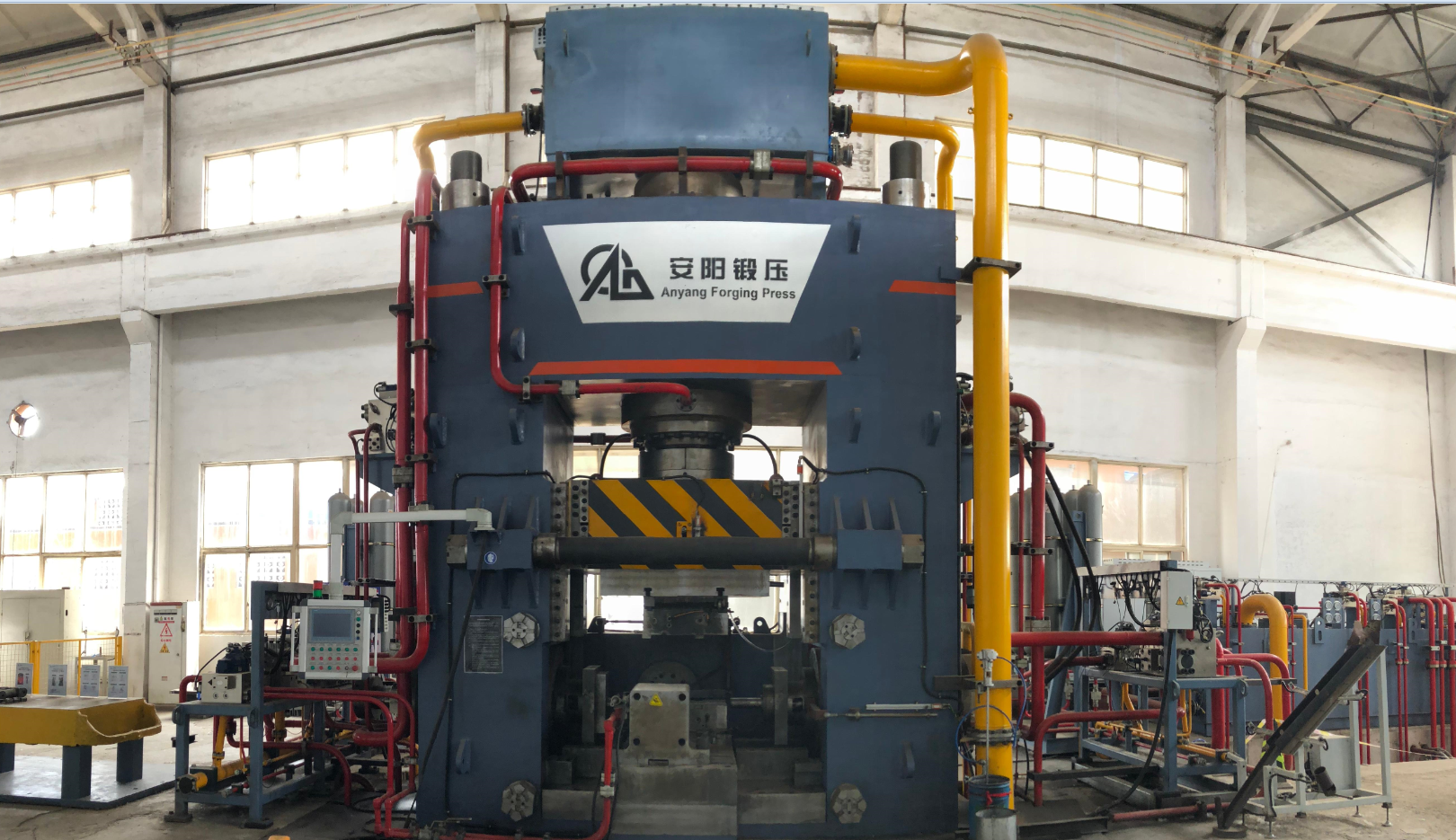
With the continuous upgrading of high-end manufacturing globally, the full implementation of low-carbon policies, and the supply of high-end forgings falling short of demand, the shortcomings of traditional unidirectional forging processes are becoming increasingly apparent: significant material waste, cumbersome procedures, unstable forging performance, and high difficulty in forming complex parts. These processes can no longer meet the stringent production standards of aerospace, nuclear power, petrochemicals, high-end automobiles, marine engineering, and other fields.
Multi-directional forging hydraulic presses rely on a multi-axis linkage hydraulic control system to achieve synchronous pressure application and balanced extrusion in multiple radial and axial directions. By precisely matching the pressure, speed, and stroke of the slides in each direction, the equipment allows the metal billet to flow uniformly along the contour of the part's cavity, achieving flash-free, near-net-shape, and integral forming. Eliminating the need for multiple heating cycles, modifications, and repeated clamping significantly simplifies the production chain for complex forgings, improving the density and dimensional consistency of the forgings from the fundamental process stage.
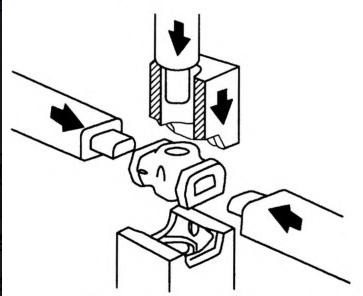
Why choose a multi-directional forging hydraulic press instead of traditional forging
It can produce complex, high-end products that traditional equipment cannot manufacture.
Traditional forging processes are outdated, resulting in large amounts of flash and waste, with material utilization rates of only 60%–70%. This is especially true for high-value raw materials such as titanium alloys, nickel-based alloys, and high-strength steel, where significant waste directly erodes company profits. Furthermore, multiple heating processes, repeated clamping, and numerous machining steps further increase energy consumption and labor costs.
Multi-directional forging technology achieves single clamping, single heating, and single-piece forming, eliminating the need for multiple rework processes. This significantly improves material utilization and substantially saves on high-end alloy raw materials. Production processes are streamlined by 50%, effectively reducing energy consumption, labor, and subsequent processing costs. The long-term cost advantage is extremely significant, directly enhancing the company's core profitability.
Green and low-carbon production mitigates global environmental policy risks.
Traditional forging involves multiple high-temperature heating processes, high energy consumption, excessive oxide scale, and large waste emissions. This fails to meet global carbon reduction standards, EU environmental standards, and new green production regulations in various countries. Many overseas factories have faced production restrictions, rectification orders, and even lost high-end customer orders due to environmental non-compliance.
Multi-directional forging, a one-step forming process, significantly reduces heating frequency and energy consumption, substantially lowering waste and exhaust emissions. It fully complies with global green supply chain audit standards, helping companies achieve compliant production and solidify partnerships with high-end overseas clients.
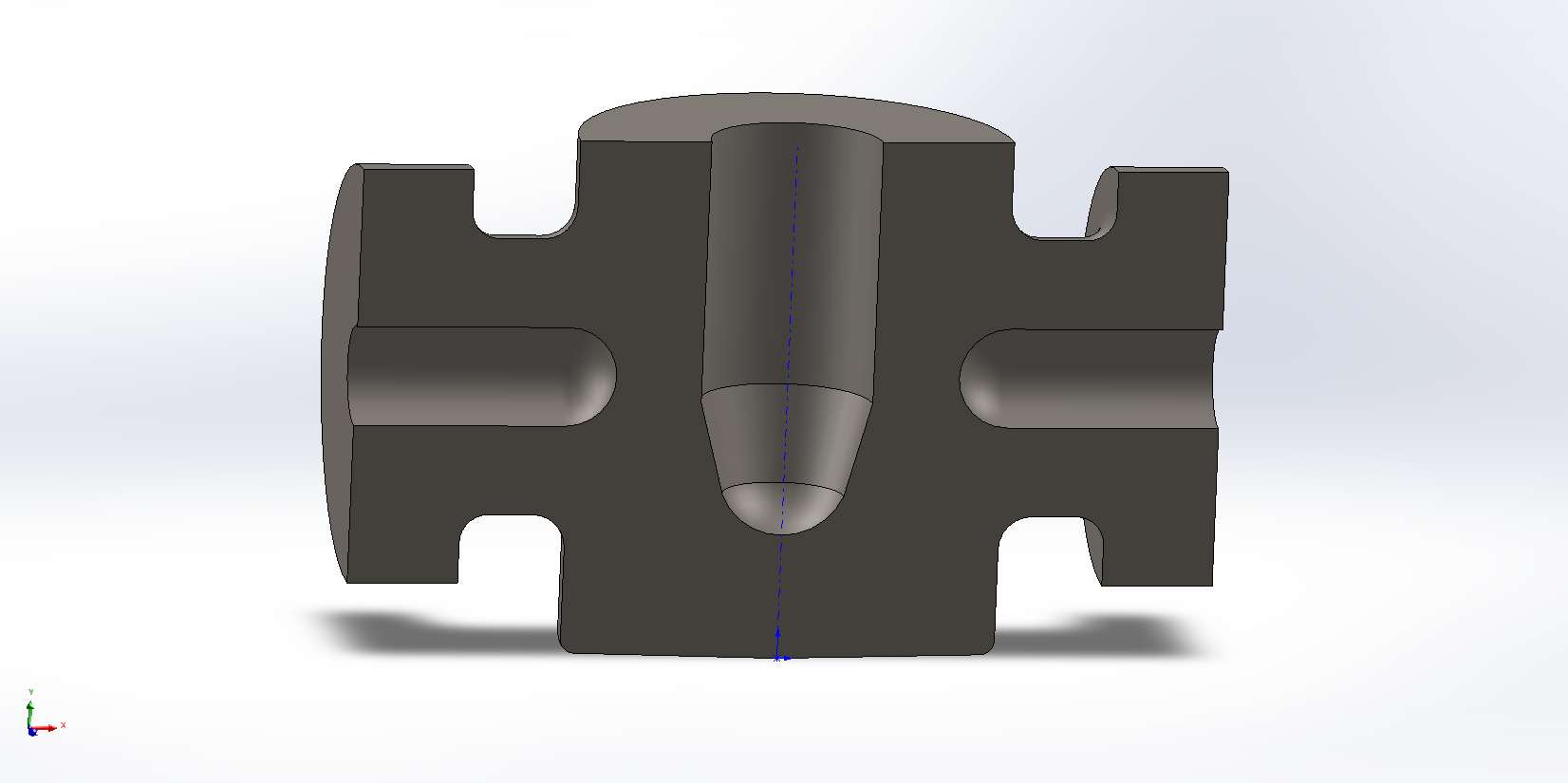
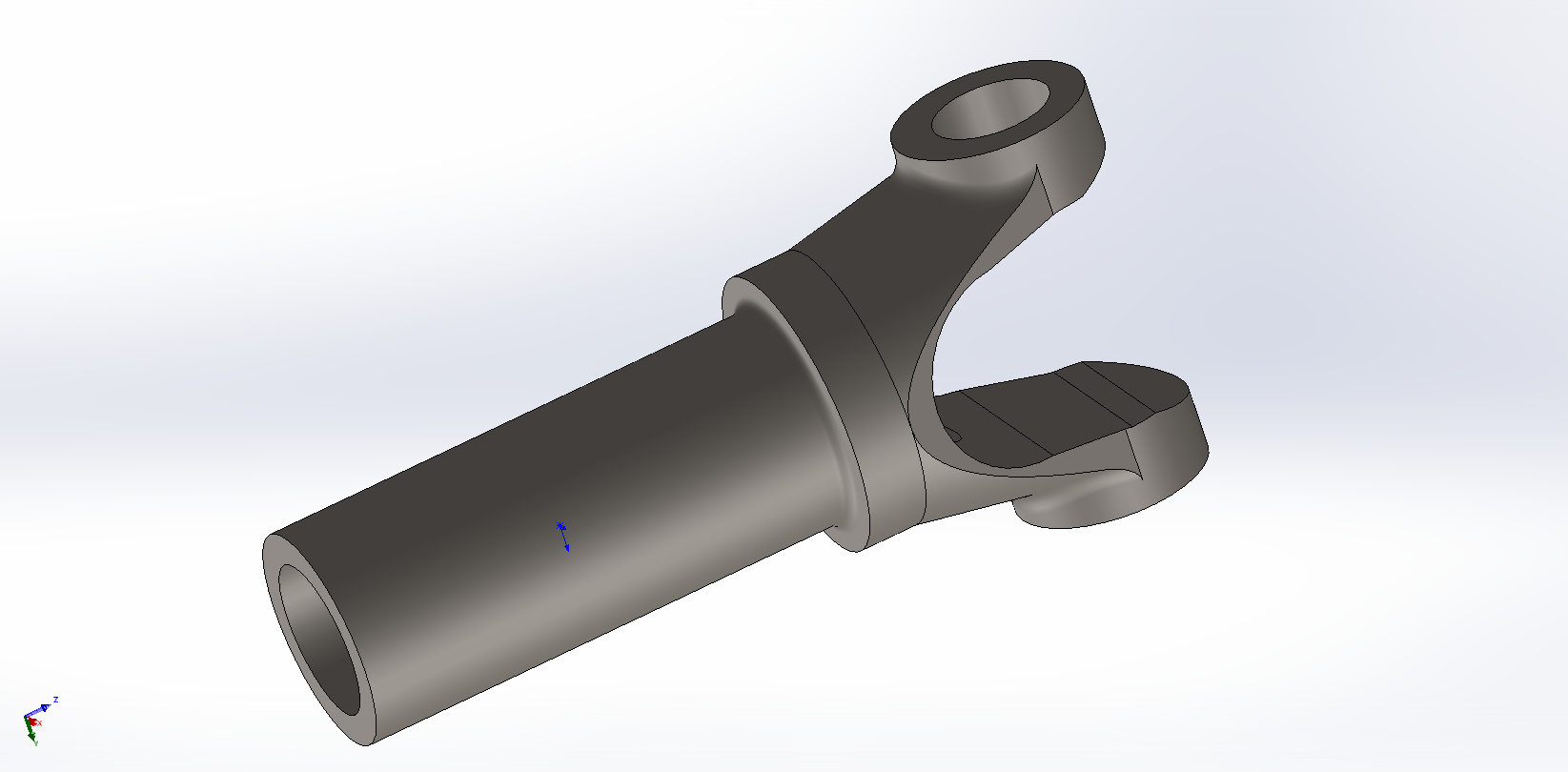
The global forging industry is currently undergoing a comprehensive transformation towards precision, intelligence, greening, and intensification. Low-end and crude forging processes are gradually being eliminated by the market, while high-precision, high-performance, and low-loss multi-directional die forging processes have become the mainstream development direction for high-end manufacturing industries.
As a core piece of high-end forging equipment, multi-directional forging hydraulic presses can not only help enterprises quickly iterate their production lines and eliminate outdated production capacity, but also help them enter the global high-end forging supply chain and undertake high-priced, high-threshold, high-quality orders. They are key upgrade equipment for forging enterprises to enhance their international market competitiveness and achieve large-scale, high-quality development.
If you want to learn more about forging machine, steel ball machine, briquette press or hydraulic riveter etc products, please send requirements to info@anyanghammer.com